
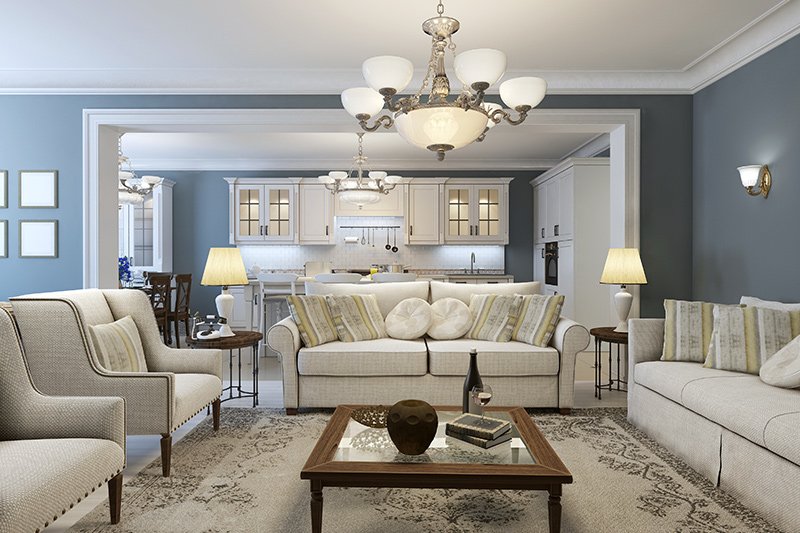
The living room is often regarded as the heart of a home—a place where families come together, friends gather, and memories are made. Crafting a living room that balances comfort, functionality, and style is essential for creating an inviting atmosphere. This guide delves into the various aspects that contribute to an exceptional living room design, helping you transform this central space into your ideal sanctuary.
1. Understanding Your Living Room’s Purpose
Before embarking on the design process, it’s crucial to clarify the primary function of your living room. Is it primarily a social space for entertaining guests, a cozy haven for family gatherings, or perhaps a multifunctional area that accommodates work and leisure? Understanding the purpose of the room will guide your design choices and ensure that the space serves your needs effectively.
If entertaining is a priority, consider an open layout that fosters interaction. For a quieter atmosphere, prioritize comfort and a layout that encourages relaxation. Tailoring the design to suit your lifestyle will make the living room a space you truly enjoy.
2. Layout and Flow: Creating Harmony
The layout of your living room plays a pivotal role in its functionality and overall vibe. A well-planned layout enhances movement and promotes connection among those using the space.
Begin by identifying focal points within the room, such as a fireplace, a large window, or a television. Arrange seating to face these focal points, fostering natural conversation flow. A U-shaped or circular seating arrangement can create a welcoming atmosphere, while leaving sufficient pathways ensures easy access to various areas.
Keep scale in mind when selecting furniture. Oversized pieces can overwhelm a small room, while too many small items can clutter a larger space. Aim for a balanced arrangement that creates an inviting and comfortable environment.
3. Selecting Comfortable and Stylish Furniture
Furniture is the backbone of your living room, so choosing the right pieces is essential for both comfort and style. Prioritize high-quality items that align with your aesthetic.
Start with the sofa, which often serves as the centerpiece of the room. Look for a sofa that combines comfort and durability; testing different styles will help you find one that meets your needs. Pair it with accent chairs or ottomans that complement the sofa, mixing textures and colors to add visual interest.
Don’t overlook functional furniture pieces, such as coffee tables and side tables. Select tables that fit the scale of your seating arrangement and provide enough surface area for drinks, snacks, or books. Consider multi-functional options like ottomans that can serve as both seating and storage.
4. Color Schemes: Setting the Mood
The color palette you choose significantly impacts the mood of your living room. Selecting the right colors can create a sense of warmth, calm, or energy.
Neutral tones like soft grays, whites, and beiges create a versatile backdrop that allows for various accents and decor. If you prefer a bolder approach, consider painting an accent wall in a rich color or introducing colorful furnishings that can serve as focal points.
Textures can further enhance your chosen color scheme. Mixing soft fabrics, like velvets and cottons, with harder surfaces, such as wood and metal, adds depth and interest. An area rug can tie the room together, providing warmth and a contrasting texture underfoot.
5. Lighting: Crafting Ambiance
Lighting is a key element that can transform the atmosphere of your living room. A well-lit space enhances mood and functionality, making it inviting and practical.
Incorporate a mix of ambient, task, and accent lighting. Ambient lighting serves as the primary source of illumination, while task lighting—like table and floor lamps—offers focused light for reading or hobbies. Accent lighting can highlight artwork or architectural features, adding depth and character to the space.
Maximize natural light by using sheer curtains or blinds that allow sunlight to filter through while maintaining privacy. Positioning mirrors strategically can reflect light and create a sense of openness, making the room feel larger and brighter.
6. Personal Touches: Infusing Character
A living room should reflect your personality and interests, creating a space that feels uniquely yours. Adding personal touches can make the environment more inviting and connected to your life.
Display cherished items such as family photographs, souvenirs from travels, or meaningful artwork. A gallery wall can showcase your favorite pieces, creating a focal point that tells your story. Mixing different frame styles and sizes can enhance visual interest.
Consider incorporating elements that resonate with your hobbies or passions, whether that’s a collection of books, a cozy reading nook, or a designated space for games and crafts. Personalizing your living room fosters a sense of belonging and warmth.
7. Bringing Nature Indoors
Integrating natural elements into your living room can enhance its atmosphere and promote relaxation. Houseplants not only purify the air but also add a refreshing touch of greenery.
Choose plants that fit your lifestyle and care preferences. Low-maintenance options like snake plants or succulents are perfect for those new to gardening. For a striking effect, larger plants like fiddle leaf figs can serve as statement pieces.
Additionally, incorporating natural materials—such as wooden furniture, stone accents, or woven textiles—can create a harmonious connection to the outdoors, enhancing the overall ambiance of the space.
8. Organization and Clutter Control
A well-organized living room contributes to a tranquil environment, allowing you to fully enjoy the space. Maintaining order is crucial for creating a serene atmosphere.
Invest in stylish storage solutions that complement your decor. Use decorative baskets, stylish boxes, or shelving units to keep items like blankets, books, and games organized yet accessible. This not only keeps the space tidy but also enhances its aesthetic appeal.
Establish a routine for decluttering and regularly assess what you truly need in your living room. Keeping only those items that serve a purpose or bring joy will help maintain an orderly and inviting space.
By thoughtfully considering these elements, you can create a living room that embodies comfort, style, and functionality. This heart of your home will serve as a welcoming haven for relaxation and connection, making it a cherished space for everyone who enters. Embrace the opportunity to design a living room that reflects your unique style and fosters a sense of belonging, transforming your home into a true sanctuary.

 Homez Design Blog