
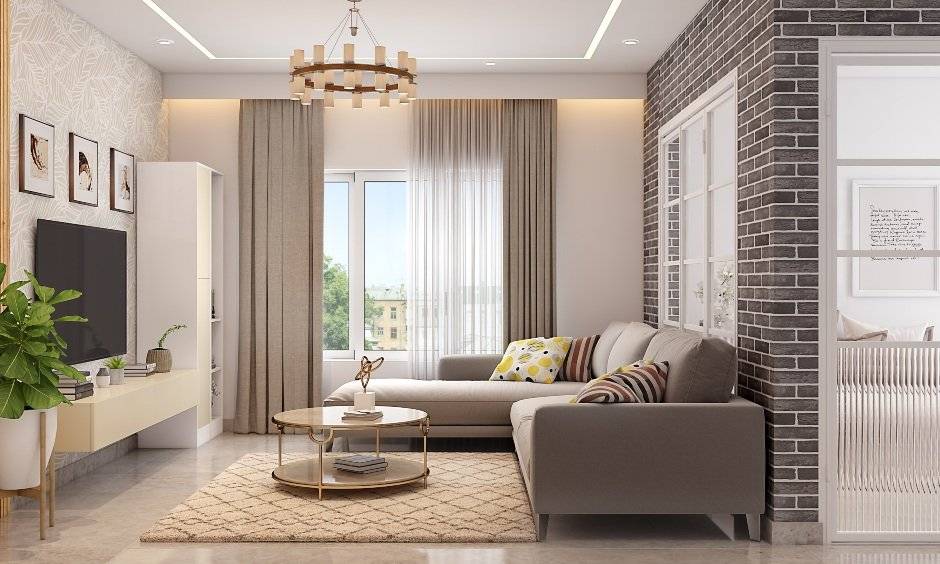
Interior design is a captivating blend of creativity, functionality, and psychological insight. It transforms ordinary spaces into extraordinary environments that reflect personal tastes and enhance daily living. This field encompasses much more than aesthetic appeal; it harmonizes colors, shapes, and materials to create spaces that resonate with their inhabitants. Let’s explore the key components of interior design, its fundamental principles, and contemporary trends that shape the field.
Understanding the Foundations of Interior Design
Interior design is built upon a solid foundation that includes essential elements and principles. Each component plays a crucial role in the overall outcome of a space.
Key Elements of Design
- Space: The starting point of any design project is an in-depth analysis of the available space. Designers assess dimensions and layouts to ensure that the area can be used effectively. This involves considering how people will move through the space and interact with its elements.
- Line: Lines form the structure of a room and influence its mood. Vertical lines convey a sense of height and formality, while horizontal lines promote stability and calm. Curved lines can introduce a softer, more relaxed ambiance.
- Shape: Shapes contribute to the identity of a room. Geometric shapes often evoke modernity, while organic shapes can create a more inviting and warm atmosphere. The balance of these shapes can lead to a harmonious design.
- Color: Color is one of the most powerful tools in a designer’s arsenal. Different colors evoke different emotions and reactions. For example, blue is often associated with tranquility, while red can stimulate energy. Designers carefully select a color palette that aligns with the desired mood of the space.
- Texture: Texture adds depth and interest to interiors. By combining various materials—such as smooth metals, soft fabrics, and rugged wood—designers create a tactile experience that enriches the visual appeal.
- Light: Lighting is essential in shaping the atmosphere of a room. Natural light enhances the space, making it feel larger and more open. Thoughtfully placed artificial lighting can create cozy nooks or dramatic focal points, transforming how a room is perceived.
- Furniture: The selection and arrangement of furniture are pivotal to any design. Each piece should complement the space while serving a specific function. Proper arrangement not only enhances usability but also contributes to the aesthetic coherence of the environment.
Principles of Design
The principles of design guide the thoughtful arrangement of these elements to create a cohesive space:
- Balance: Achieving balance is essential for visual stability. Designers can choose between symmetrical balance, which offers order and formality, and asymmetrical balance, which adds a more casual and dynamic feel.
- Contrast: Contrast enhances visual interest. By juxtaposing different colors, shapes, or materials, designers can highlight key features within a space, creating focal points that draw the eye.
- Rhythm: Rhythm creates a sense of movement and flow. This can be accomplished through the repetition of colors, patterns, or shapes that guide the viewer’s gaze throughout the room.
- Scale and Proportion: Understanding scale and proportion ensures that the elements within a space relate to each other harmoniously. Furniture that is too large can overwhelm a room, while pieces that are too small can get lost in the overall design.
- Harmony: The ultimate goal of interior design is to achieve harmony among all elements. A cohesive theme, consistent color scheme, and carefully selected materials can work together to create a unified environment.
The Role of Interior Designers
Interior designers act as both artists and problem solvers. They work collaboratively with clients to understand their needs and preferences, translating those insights into practical and visually appealing solutions. The design process typically involves several stages:
- Initial Consultation: During the first meeting, designers gather information about the client’s vision, lifestyle, and budget. This establishes a foundation for the design project.
- Concept Development: Designers develop a concept based on the client’s input. This may involve creating mood boards that capture the intended style and atmosphere.
- Space Planning: Analyzing the layout, designers organize the space for optimal flow and functionality. This step is crucial for ensuring that each area serves its purpose effectively.
- Material Selection: Choosing the right materials is essential for both aesthetics and durability. Designers consider factors such as maintenance, texture, and sustainability during this process.
- Implementation: Coordinating with contractors and overseeing the installation is vital to ensure that the final design aligns with the initial vision. Designers remain involved to troubleshoot any issues that arise.
- Finishing Touches: Adding art, accessories, and decorative elements is what brings a space to life. These details enhance the overall atmosphere and make the environment feel complete.
Sustainable Interior Design
In an age where environmental consciousness is paramount, sustainable interior design is gaining momentum. Designers are increasingly focused on incorporating eco-friendly materials and practices. This includes using renewable resources, selecting energy-efficient lighting, and choosing low-impact furniture. The goal is to create spaces that are not only beautiful but also environmentally responsible.
Current Trends in Interior Design
Interior design is ever-evolving, influenced by cultural shifts and technological advancements. Some contemporary trends include:
- Biophilic Design: This approach integrates natural elements, such as plants and water features, to foster a connection with nature and promote well-being.
- Minimalism: Characterized by simplicity and functionality, minimalism emphasizes the idea that less is more. This trend encourages decluttering and focusing on essential items.
- Smart Technology: The integration of smart home technology allows for greater convenience and efficiency. Automated systems for lighting, heating, and security can enhance the user experience.
- Personalization: More than ever, people seek spaces that reflect their individuality. Designers are embracing personalized touches that tell the story of the inhabitants, incorporating unique decor and meaningful artifacts.
Interior design is a multifaceted discipline that merges creativity with functionality, enhancing the way we experience our surroundings. By understanding the essential elements and principles, as well as embracing contemporary trends and sustainable practices, one can create spaces that not only look stunning but also support well-being and enrich lives. Whether designing a cozy home or a vibrant office, the possibilities are endless when it comes to crafting environments that inspire and uplift.

 Homez Design Blog