
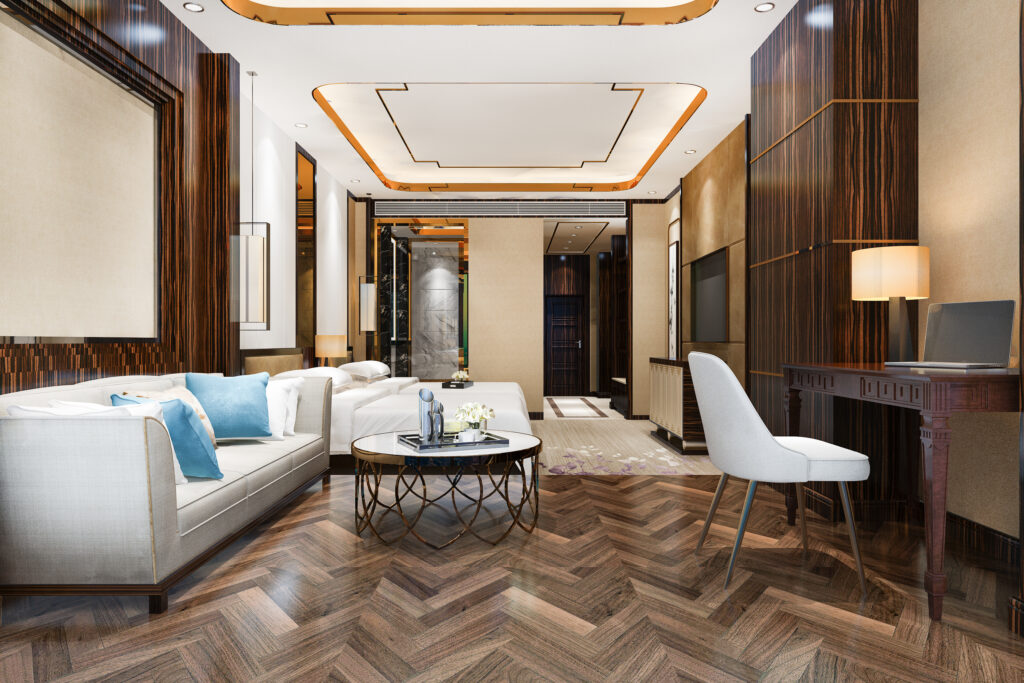
Furniture is more than just a collection of items filling our homes; it’s an integral part of our daily lives, shaping the way we experience our environments. From the sturdy dining table that hosts family meals to the plush sofa that welcomes friends for movie nights, each piece contributes to the narrative of our lives. This article explores various aspects of furniture, including its history, styles, materials, and tips for selecting the right pieces for your space.
A Brief History of Furniture
The evolution of furniture dates back to ancient civilizations. The earliest pieces were crafted from wood and stone, serving basic functions of comfort and utility. For example, Egyptians utilized wooden benches, while Greeks and Romans began to design more elaborate pieces like chairs with intricate carvings and inlays.
As societies progressed, furniture became more than just functional objects; they transformed into symbols of status and style. During the Middle Ages, heavy wooden pieces dominated, characterized by intricate craftsmanship and rich detailing. The Renaissance introduced lighter forms and more artistic designs, leading to the Baroque and Rococo periods that favored opulence and grandeur.
The Industrial Revolution marked a significant turning point, as mass production made furniture more accessible. This democratization of design gave rise to various styles, catering to different tastes and preferences, setting the stage for the diverse range of furniture we see today.
Understanding Furniture Styles
Furniture styles have evolved dramatically over the centuries, with each era bringing its own distinct characteristics. Here are some popular styles to consider:
- Mid-Century Modern: This style, prominent from the 1940s to the 1960s, emphasizes clean lines, organic forms, and functionality. Made from materials like teak and molded plastic, pieces are often characterized by a minimalist aesthetic that enhances open spaces.
- Scandinavian: Known for its simplicity and functionality, Scandinavian design features natural materials, light colors, and a focus on craftsmanship. The style promotes a cozy and inviting atmosphere, making it ideal for modern living spaces.
- Industrial: Inspired by old factories and warehouses, industrial furniture often incorporates raw materials like metal and reclaimed wood. The aesthetic highlights the beauty of imperfection, creating an edgy yet warm ambiance.
- Traditional: This style draws on classic European design, with ornate details and rich fabrics. Traditional furniture often features dark woods, intricate carvings, and luxurious upholstery, making it suitable for more formal settings.
- Contemporary: A reflection of current trends, contemporary furniture often blurs the lines between styles. It embraces innovative materials and forms, encouraging personalization and flexibility in design.
Selecting the Right Materials
When it comes to furniture, the choice of materials plays a crucial role in both aesthetics and functionality. Here are some popular options:
- Wood: Timeless and versatile, wood is favored for its durability and natural beauty. Different types, such as oak, walnut, and cherry, offer distinct grains and colors, allowing for various design applications.
- Metal: Commonly used in modern and industrial styles, metal is both strong and stylish. Steel and aluminum can provide sleek finishes, while wrought iron adds a rustic touch.
- Upholstery: Fabric choices range from cotton and linen to leather and velvet, each offering unique textures and appearances. Consider the practicalities of maintenance, comfort, and durability when selecting upholstery for seating.
- Glass: Glass can create an illusion of space and lightness, making it a popular choice for tabletops and decorative elements. When used thoughtfully, glass can enhance both modern and traditional settings.
Tips for Furnishing Your Space
Choosing the right furniture for your home involves more than just picking pieces you like. Here are some practical tips to help guide your decisions:
- Consider the Functionality: Think about how you will use each space. For example, if you frequently entertain, prioritize comfortable seating and a large dining table. In a small living room, multifunctional furniture can maximize usability without overcrowding.
- Measure Your Space: Accurate measurements are vital. Oversized furniture can overwhelm a room, while pieces that are too small can feel lost. Create a layout that allows for easy movement and accessibility.
- Choose a Cohesive Color Palette: A consistent color scheme unifies your space. While it’s tempting to mix and match, aim for a balance between contrasting and complementary colors to create visual harmony.
- Layer Textures: Combining various materials and textures adds depth to your design. Mix wood, metal, fabric, and glass to create an inviting atmosphere that encourages exploration.
- Personalize Your Space: Incorporate elements that reflect your personality and interests. Art, decorative objects, and family heirlooms can infuse your home with character and warmth.
Furniture as a Reflection of Identity
Ultimately, furniture plays a crucial role in expressing who we are. It tells our story, showcasing our tastes, values, and lifestyle. By understanding the history, styles, materials, and thoughtful selection process, you can create a space that is not only functional but also a true reflection of your individuality. Whether you opt for timeless elegance, modern minimalism, or a cozy blend of styles, the right furniture will enhance your living experience, making each day just a little bit more enjoyable.

 Homez Design Blog