
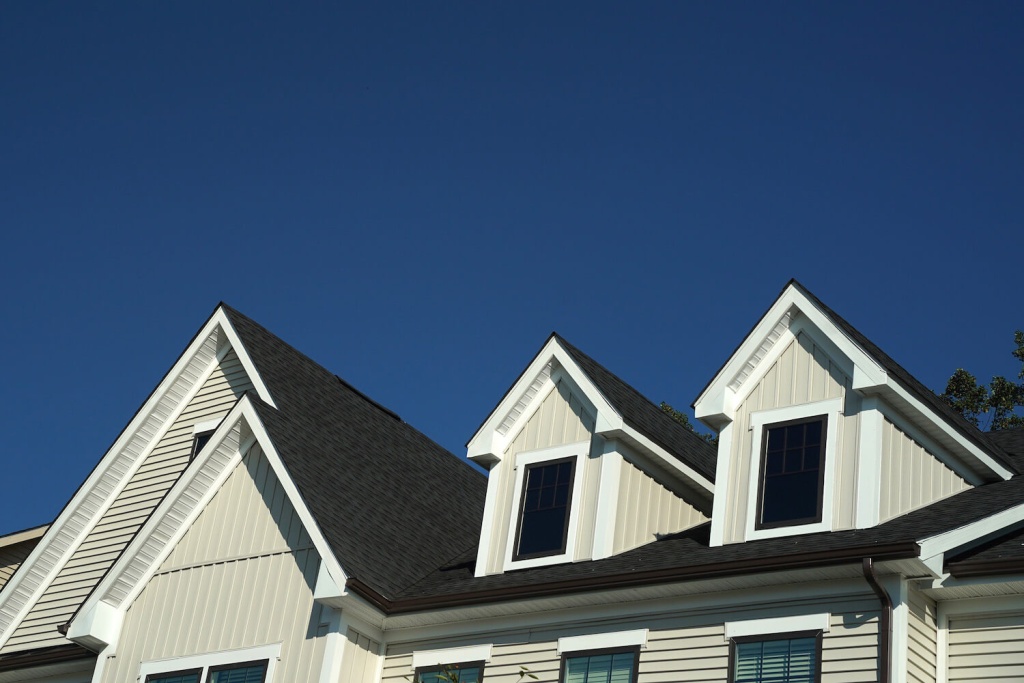
Choosing the right roofing material is one of the most important decisions a homeowner can make. Not only does it impact your home’s aesthetic appeal, but it also affects energy efficiency, maintenance needs, and, crucially, the lifespan of your roof. Understanding the longevity of various roofing materials can help you make an informed choice and plan for future maintenance or replacement. Below, we explore several common roofing materials, their expected lifespans, and factors that influence their durability.
1. Asphalt Shingles
Lifespan: 15 to 30 years
Asphalt shingles are one of the most popular roofing materials due to their affordability and ease of installation. They typically come in two types: three-tab and architectural shingles.
- Three-tab shingles are less expensive but usually have a shorter lifespan, often around 15 to 20 years.
- Architectural shingles are thicker and offer better durability, lasting up to 30 years or more.
Factors Influencing Lifespan:
- Quality: Higher-quality shingles with better warranties generally last longer.
- Installation: Proper installation is crucial; poorly installed shingles can lead to premature failure.
- Climate: Extreme weather conditions, such as high winds or hail, can damage asphalt shingles.
2. Metal Roofing
Lifespan: 40 to 70 years
Metal roofing has gained popularity in recent years due to its durability and modern aesthetic. Options include steel, aluminum, copper, and zinc, each offering unique benefits.
- Steel is often galvanized or coated to resist rust and can last between 40 to 70 years.
- Aluminum is lightweight and corrosion-resistant, ideal for coastal areas, and can last similarly long.
- Copper offers a distinctive look and can last over 100 years, but it comes at a higher cost.
Factors Influencing Lifespan:
- Type of Metal: Different metals have varying resistance to corrosion and environmental factors.
- Finish: Protective coatings can enhance durability and longevity.
- Installation: Correct installation, including proper sealing and fasteners, is essential for preventing leaks.
3. Clay and Concrete Tiles
Lifespan: 50 to 100 years
Clay and concrete tiles are renowned for their durability and aesthetic appeal, often seen in Mediterranean and Spanish-style homes.
- Clay tiles can last over 100 years if properly maintained.
- Concrete tiles typically have a lifespan of 50 to 70 years.
Factors Influencing Lifespan:
- Quality: Higher-quality tiles will endure harsher conditions better.
- Installation: Proper installation is crucial, as poorly installed tiles can crack or become dislodged.
- Climate: While these materials perform well in various climates, extreme temperature fluctuations can affect their longevity.
4. Wood Shingles and Shakes
Lifespan: 20 to 40 years
Wood shingles and shakes, typically made from cedar or redwood, offer a natural aesthetic that many homeowners desire.
- Shingles are machine-cut for a uniform appearance, while shakes are hand-split for a more rustic look.
- Their lifespan can vary significantly depending on maintenance and environmental conditions.
Factors Influencing Lifespan:
- Maintenance: Regular treatments to prevent rot and insect infestation are vital for longevity.
- Climate: In wet climates, wood roofing may have a shorter lifespan due to mold and mildew growth.
- Installation: Proper ventilation and installation can mitigate moisture issues and extend lifespan.
5. Slate Roofing
Lifespan: 75 to 200 years
Slate is one of the most durable roofing materials available, known for its longevity and beauty. This natural stone can last well over a century with minimal maintenance.
Factors Influencing Lifespan:
- Quality of Slate: Higher-quality slate will endure better than lower-quality alternatives.
- Installation: Proper installation is crucial; slate is heavy and requires a strong support structure.
- Climate: Slate performs well in various climates but is particularly effective in regions with cold winters.
6. Synthetic Roofing
Lifespan: 30 to 50 years
Synthetic roofing materials, often made from rubber or plastic, are designed to mimic traditional materials like slate or wood without the associated maintenance issues.
Factors Influencing Lifespan:
- Quality: Different brands and products offer varying lifespans, so research is important.
- Installation: Proper installation is essential for maximizing lifespan.
- Environmental Resistance: Many synthetic materials are designed to withstand UV rays and temperature fluctuations, enhancing durability.
Conclusion
Selecting the right roofing material requires careful consideration of your home’s location, aesthetic preferences, and budget. By understanding the expected lifespans of various roofing materials, you can make an informed decision that aligns with your long-term home maintenance plans. Regular inspections and proper maintenance can further enhance the longevity of your roof, ensuring it protects your home effectively for years to come. Whether you opt for asphalt shingles, metal roofing, clay tiles, or another material, each choice carries its own unique benefits and challenges. Prioritizing quality and installation will ensure that your roof stands the test of time, providing safety and style for your home.

 Homez Design Blog