
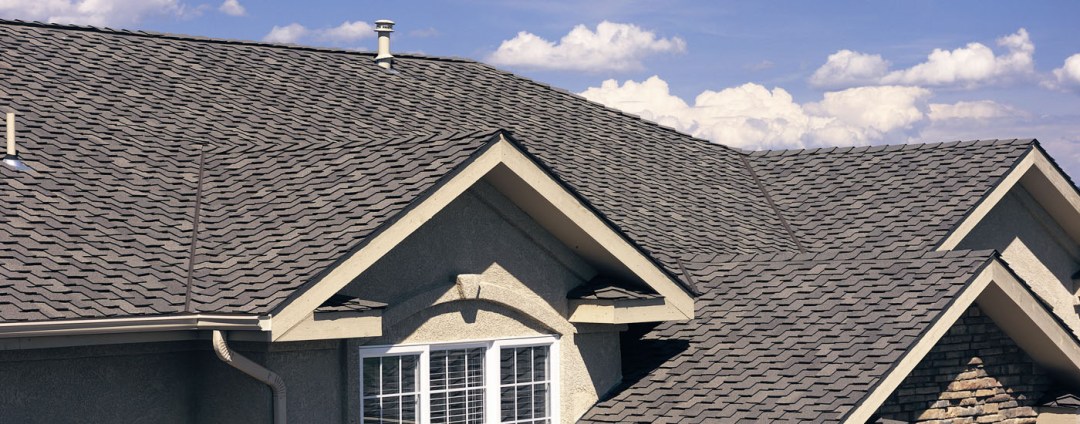
When investing in a new roof, understanding the warranty that comes with it is crucial for protecting your investment. Roof warranties can be complex, with varying terms, conditions, and coverage types. Grasping the details of your roof warranty will not only help you make informed decisions but also ensure that you receive the full benefits should a problem arise. Here’s a comprehensive guide to navigating the intricacies of roof warranties.
Types of Roof Warranties
There are primarily two types of warranties associated with roofing: manufacturer warranties and workmanship warranties. Each serves a different purpose and has distinct coverage terms.
1. Manufacturer Warranties
Manufacturer warranties cover defects in the roofing materials themselves. These warranties can vary widely based on the material used, such as asphalt shingles, metal roofing, or tile. Key points to consider include:
- Length of Coverage: Manufacturer warranties typically last between 20 to 50 years, depending on the material. Some high-end products may even offer lifetime warranties. It’s essential to read the fine print to understand what “lifetime” means, as it may vary by manufacturer.
- Pro-rated vs. Non-Pro-rated: Some warranties start as non-pro-rated, meaning you are fully covered for a set period. After that period, coverage may diminish, and you could be responsible for a percentage of the replacement costs. Understanding this distinction can save you from unexpected expenses later.
- Coverage Exclusions: Most manufacturer warranties will not cover damage caused by improper installation, extreme weather events, or lack of maintenance. Familiarizing yourself with these exclusions can help you avoid surprises when filing a claim.
2. Workmanship Warranties
Workmanship warranties cover the quality of the installation itself. This is crucial, as even the best materials can fail if not installed properly. Here are some vital aspects:
- Length of Coverage: Workmanship warranties usually last between one and ten years. Some contractors may offer longer coverage, but this is less common. Always ask about the duration of the workmanship warranty before hiring a contractor.
- Transferability: Some workmanship warranties are transferable, meaning they can be passed on to new homeowners if you sell your house. This feature can enhance the resale value of your home, so inquire whether this is an option.
- Claim Process: Understanding the claim process for workmanship issues is essential. If problems arise due to installation, you need to know how to contact the contractor, what documentation is necessary, and the timeframe for repairs.
Key Considerations When Reviewing Roof Warranties
To maximize the benefits of your roof warranty, keep the following points in mind:
1. Read the Fine Print
It’s essential to carefully read and understand all warranty documents. Pay attention to specific language that outlines coverage limits, exclusions, and responsibilities. Often, the details that dictate how the warranty functions are buried in fine print.
2. Maintain Your Roof
Most warranties require regular maintenance to remain valid. This may include routine inspections, cleaning gutters, and addressing minor issues before they escalate. Failing to keep up with maintenance can void your warranty, so be diligent.
3. Keep Records
Maintain meticulous records of all work performed on your roof, including receipts for materials, invoices for repairs, and maintenance logs. These documents can be crucial if you ever need to file a warranty claim.
4. Consult a Professional
If you’re unsure about any aspect of your roof warranty, consider consulting with a roofing professional. They can help clarify terms and guide you through the warranty process, ensuring you fully understand your coverage.
How to File a Warranty Claim
Should you encounter an issue that you believe is covered by your warranty, knowing how to file a claim efficiently is essential:
- Document the Problem: Take detailed notes and photographs of the issue. This documentation will support your claim and clarify what has gone wrong.
- Review the Warranty Terms: Before reaching out to the manufacturer or contractor, revisit the warranty documents to confirm that the issue falls under coverage.
- Contact the Right Party: Depending on whether the issue involves materials or installation, contact the manufacturer or your contractor. Ensure you have all necessary documentation ready when you make the call.
- Follow Up: Keep a record of your communications and follow up as needed. If you experience delays, don’t hesitate to remind the involved parties about your claim.
Conclusion
Understanding roof warranties is vital for every homeowner. By familiarizing yourself with the different types of warranties, key considerations, and the claims process, you can protect your investment and ensure that your roof continues to perform well over the years. A well-informed approach can lead to peace of mind, knowing that you’re prepared for any roofing challenges that may arise.

 Homez Design Blog