
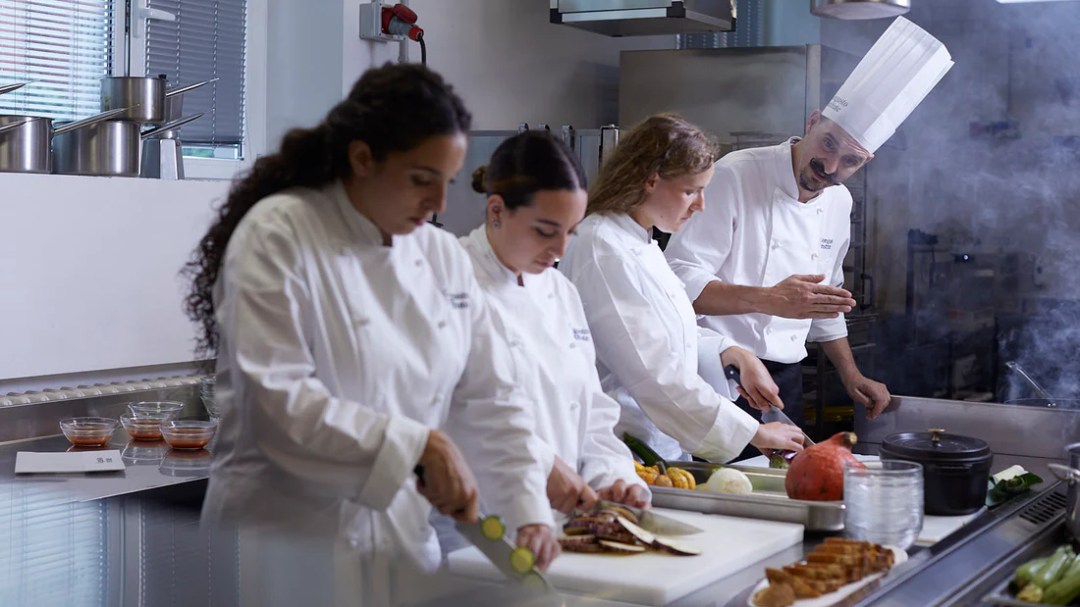
Stepping into the kitchen for the first time can be both exciting and daunting. With countless techniques and methods to master, knowing where to start can feel overwhelming. Fortunately, there are a few fundamental cooking techniques that form the backbone of culinary skills. Here are five essential cooking techniques that every beginner should learn to navigate their way through the kitchen confidently.
1. Sautéing: The Quick Cook
Sautéing is a fundamental technique that involves cooking food quickly in a small amount of fat over medium to high heat. This method is perfect for vegetables, meats, and seafood, as it enhances flavors while retaining texture.
How to Sauté:
- Choose Your Pan: A wide skillet or sauté pan is ideal for this technique.
- Preheat the Pan: Heat the pan over medium-high heat until it’s hot. You can test this by adding a few drops of water; they should sizzle and evaporate.
- Add Fat: Once the pan is hot, add your chosen fat—like olive oil or butter. Allow it to heat until shimmering or foaming.
- Add Ingredients: Place your ingredients in a single layer. Avoid overcrowding the pan, as this can lead to steaming rather than sautéing.
- Stir Occasionally: Use a spatula to toss the ingredients, allowing them to cook evenly. Sauté until they are cooked through and golden brown.
Mastering sautéing will enable you to create a variety of dishes, from stir-fries to flavorful vegetable sides.
2. Boiling: The Basics of Cooking
Boiling is one of the simplest cooking techniques and is fundamental for preparing pasta, rice, and various vegetables. It involves cooking food in water or broth at a high temperature until it reaches a rolling boil.
How to Boil:
- Choose a Pot: Select a pot large enough to hold the amount of water you need for your ingredients.
- Add Water: Fill the pot with enough water to fully submerge your food.
- Bring to a Boil: Place the pot over high heat and cover it to speed up the boiling process.
- Add Ingredients: Once the water reaches a rolling boil, add your ingredients. For pasta, this is typically when you would add salt.
- Cook Time: Keep an eye on cooking times. Pasta may take 8-12 minutes, while vegetables might only need a few minutes to become tender.
Boiling is not only straightforward but also helps retain nutrients in vegetables, making it a great technique for healthy cooking.
3. Baking: A Science of Heat
Baking is a versatile cooking method that uses dry heat in an oven to cook food. This technique is primarily used for cakes, cookies, bread, and casseroles. Understanding the basics of baking is crucial for creating delicious desserts and hearty dishes.
How to Bake:
- Preheat the Oven: Always preheat your oven to the required temperature before placing your dish inside. This ensures even cooking.
- Use the Right Bakeware: Depending on what you’re baking, choose appropriate pans—metal for browning, glass for even cooking, and silicone for easy release.
- Follow Recipes Closely: Baking is more of a science than other cooking methods. Measure ingredients accurately and follow the recipe step by step.
- Monitor Baking Times: Use a timer and check for doneness with a toothpick or by pressing lightly on the surface.
Baking opens the door to a plethora of sweet and savory dishes, making it a vital skill for any home cook.
4. Roasting: Flavor Development
Roasting is a dry-heat cooking method that involves cooking food in an oven, typically at high temperatures. This technique enhances the natural flavors of ingredients, making it ideal for vegetables and meats.
How to Roast:
- Preheat the Oven: Set your oven to a high temperature, usually between 400°F and 450°F (200°C to 230°C).
- Prepare Ingredients: Cut vegetables into uniform pieces to ensure even cooking. Season meats and vegetables with herbs, spices, and oil.
- Use a Baking Sheet: Arrange the ingredients on a baking sheet in a single layer to promote even roasting.
- Check for Doneness: Roast until the ingredients are golden brown and cooked through, typically checking halfway through and stirring if necessary.
Roasting allows you to develop rich flavors and appealing textures, making it an excellent technique for enhancing meals.
5. Grilling: Cooking with Char
Grilling is a popular cooking method that imparts a unique smoky flavor to food, making it perfect for meats, vegetables, and even fruits. This technique can be done outdoors on a grill or indoors on a stovetop grill pan.
How to Grill:
- Preheat the Grill: Whether using a gas or charcoal grill, make sure it’s hot before adding food. Preheating helps to create those desirable grill marks and prevents sticking.
- Prepare Your Ingredients: Marinate or season your meats and vegetables ahead of time for added flavor.
- Oil the Grill Grates: Lightly oil the grates to prevent sticking, especially with lean meats and delicate vegetables.
- Monitor Cooking Times: Place food on the grill and cook until grill marks appear and food is cooked through. Flip once for even cooking.
Grilling not only brings out the natural flavors in food but also provides a delightful texture that is hard to resist.
Embracing Your Culinary Skills
By mastering these five cooking techniques, you will build a solid foundation for your culinary skills. With practice, you’ll gain confidence in the kitchen, allowing you to experiment with various flavors and cuisines. Embrace the learning process, and remember that cooking is as much about enjoyment as it is about technique. Each meal you prepare is an opportunity to explore your creativity and satisfy your palate. Happy cooking!

 Homez Design Blog