
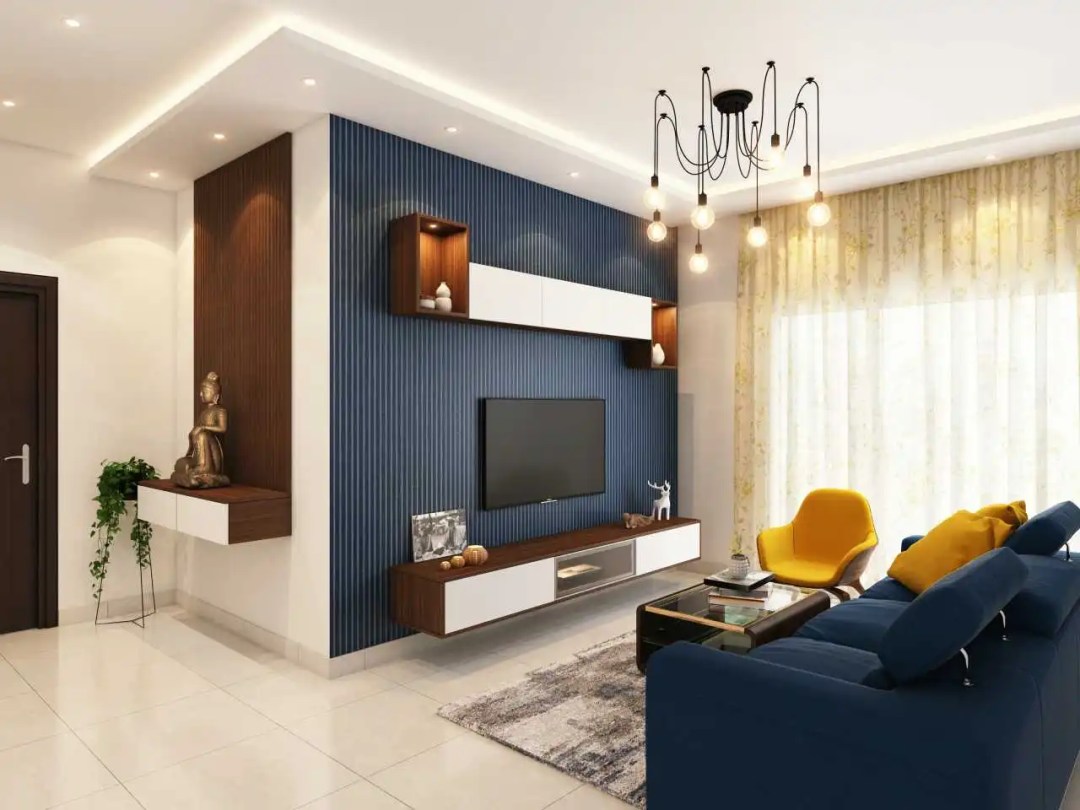
Interior design is much more than simply arranging furniture and selecting paint colors; it’s a harmonious blend of art, psychology, and functionality that creates spaces tailored to individual needs and lifestyles. This field requires a deep understanding of architecture, color theory, spatial dynamics, and human behavior. Here’s a detailed exploration of the multifaceted world of interior design and its many components.
Understanding the Basics of Interior Design
At its core, interior design involves the enhancement of interior spaces to achieve a healthier and more aesthetically pleasing environment for those who inhabit it. This process begins with comprehending the essentials of space planning. Effective space planning ensures that a room is not only beautiful but also functional. Designers must take into account the dimensions of the space, the flow of movement, and the purpose of the area being designed.
Elements of Design
Several key elements play a crucial role in interior design:
- Space: This is the foundation of any design project. Designers need to assess the available area, determining how best to utilize it while considering both functionality and aesthetic appeal.
- Line: Lines create forms and define spaces. Vertical lines can convey height and elegance, while horizontal lines evoke a sense of stability. Curved lines add softness and fluidity.
- Shape: Shapes contribute to the overall composition of a room. Geometric shapes are often associated with modern design, while organic shapes can introduce a more relaxed and natural feel.
- Color: Perhaps the most influential element, color affects mood and perception. Designers use color theory to create harmony and balance in a space. For example, warm colors can create an inviting atmosphere, while cool colors often promote tranquility.
- Texture: This adds depth and interest to interiors. Combining different textures—such as smooth glass, soft fabrics, and rough woods—can create a dynamic environment that engages the senses.
- Light: Natural and artificial lighting can dramatically change the perception of a space. Designers consider the sources of light and how they interact with colors and textures to create a warm and welcoming ambiance.
- Furniture: The selection and arrangement of furniture are paramount. It should complement the space and serve its intended function without overwhelming the design.
Principles of Design
Beyond elements, certain principles guide designers in creating cohesive interiors:
- Balance: This can be symmetrical or asymmetrical. Symmetrical balance offers a sense of order, while asymmetrical balance provides a more dynamic and casual feel.
- Contrast: This principle helps highlight differences within the design, such as pairing light and dark colors or mixing different materials.
- Rhythm: Rhythm in design creates a sense of movement. This can be achieved through repetition of colors, shapes, or patterns that guide the eye throughout the space.
- Scale and Proportion: Designers must carefully consider the scale of furniture and decor in relation to the space. Well-proportioned elements contribute to a harmonious environment.
- Harmony: All elements should work together to create a unified aesthetic. Harmony can be achieved through consistent themes, colors, and materials.
The Role of Interior Designers
Interior designers are not merely decorators; they are problem solvers. They work closely with clients to understand their preferences, lifestyles, and functional needs. This collaboration involves a series of steps:
- Consultation: Initial meetings to gather information about the client’s vision, style preferences, and budget.
- Research and Concept Development: Designers conduct research to develop a design concept that reflects the client’s needs and aspirations. This includes creating mood boards and sketches to visualize the design direction.
- Space Planning: This stage involves the practical arrangement of furniture and design elements to optimize flow and functionality.
- Material Selection: Choosing materials that align with the design concept while also considering durability and maintenance.
- Implementation: Coordinating with contractors and overseeing the installation of the design to ensure it aligns with the initial vision.
- Final Touches: The finishing elements that bring a space to life, such as art, accessories, and plants.
Sustainable Interior Design
In today’s world, sustainability plays an increasingly significant role in interior design. Designers are more aware of the environmental impact of their choices. Sustainable design incorporates eco-friendly materials, energy-efficient lighting, and practices that reduce waste. The goal is to create spaces that not only look beautiful but also respect the planet.
Trends in Interior Design
Staying updated with trends is essential for any designer. Popular trends include:
- Biophilic Design: Incorporating natural elements into interiors to promote well-being and a connection with nature.
- Minimalism: Emphasizing simplicity and functionality, with a focus on essential items.
- Smart Homes: Integrating technology for convenience and efficiency, such as smart lighting and automated systems.
- Personalization: Creating spaces that reflect the individual’s personality, incorporating unique decor pieces and styles.
Interior design is a compelling interplay of creativity and practicality. It’s about crafting environments that resonate with the people who inhabit them, ensuring comfort, functionality, and beauty. As trends evolve and new materials emerge, the field continues to adapt, offering endless possibilities for creating inspiring spaces. Whether you’re reimagining your home or embarking on a commercial project, understanding these foundational principles can transform your vision into reality.

 Homez Design Blog