
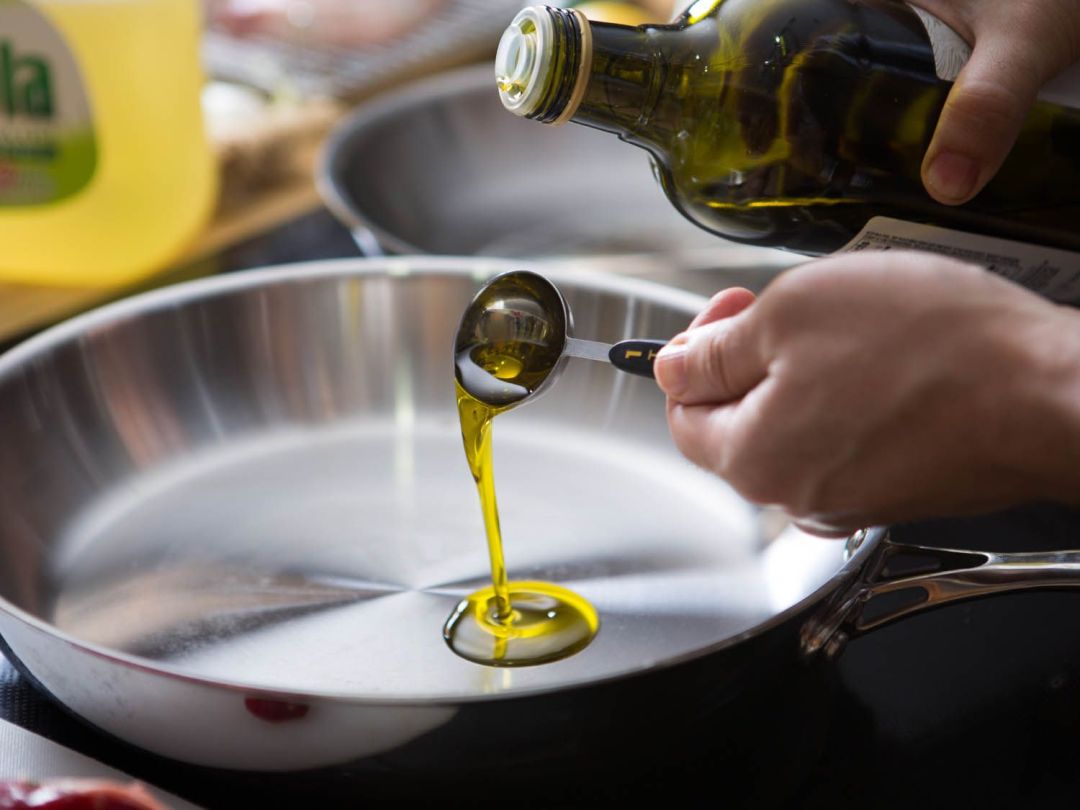
Cooking oils are an essential component of any kitchen, impacting not just flavor but also the healthfulness of our meals. With a variety of oils available, each with its unique properties and best uses, understanding which oil to use for different cooking methods is crucial. Let’s explore some of the best cooking oils and discover when to use each type for optimal flavor and nutrition.
1. Olive Oil: The Mediterranean Staple
Characteristics: Olive oil is celebrated for its rich flavor and numerous health benefits, including being high in monounsaturated fats and antioxidants. Extra virgin olive oil (EVOO) is the highest quality and is made from cold-pressed olives, preserving its flavor and nutrients.
Best Uses:
- Dressing and Marinades: Its robust flavor makes olive oil a perfect base for salad dressings and marinades. Mix it with vinegar or lemon juice for a fresh vinaigrette.
- Sautéing and Roasting: While it can handle medium heat, it’s best suited for sautéing vegetables or roasting meats at moderate temperatures (up to about 400°F or 204°C).
- Finishing Touch: Drizzling EVOO over dishes just before serving enhances flavor, adding richness to pastas, soups, and grilled meats.
2. Canola Oil: The All-Purpose Oil
Characteristics: Canola oil is derived from rapeseed and is known for its light flavor and high smoke point (about 400°F or 204°C). It contains a good balance of omega-3 and omega-6 fatty acids, making it a heart-healthy option.
Best Uses:
- Baking: Canola oil is an excellent choice for baking because its mild flavor won’t interfere with other ingredients. Use it in cakes, muffins, and cookies.
- Frying: With its high smoke point, canola oil is suitable for deep-frying and pan-frying. It’s perfect for achieving a crispy texture without imparting strong flavors.
- General Cooking: Canola oil is a versatile choice for everyday cooking, from sautéing vegetables to preparing sauces.
3. Coconut Oil: The Tropical Favorite
Characteristics: Coconut oil has gained popularity for its unique flavor and potential health benefits. It is high in saturated fats, particularly medium-chain triglycerides (MCTs), which some studies suggest may aid in weight management.
Best Uses:
- Baking: Use coconut oil in baking for a hint of tropical flavor, particularly in recipes for cookies, cakes, and quick breads.
- Sautéing: While it has a moderate smoke point (around 350°F or 177°C), coconut oil works well for sautéing vegetables and proteins. However, be mindful of the heat to prevent burning.
- Curries and Asian Dishes: Coconut oil pairs beautifully with spices and is ideal for cooking curries, stir-fries, and other Asian-inspired dishes.
4. Avocado Oil: The Nutrient Powerhouse
Characteristics: Avocado oil is pressed from the flesh of avocados and is known for its high smoke point (around 520°F or 271°C) and rich, buttery flavor. It is packed with monounsaturated fats and antioxidants, making it a heart-healthy option.
Best Uses:
- High-Temperature Cooking: With its impressive smoke point, avocado oil is ideal for frying, searing, and roasting at high temperatures without breaking down.
- Salad Dressings: Its mild flavor makes avocado oil a great choice for salad dressings and marinades. Pair it with citrus juices for a refreshing vinaigrette.
- Drizzling and Dipping: Use it as a finishing oil for drizzling over vegetables or as a dip for bread, enhancing the dish with its creamy texture.
5. Sesame Oil: The Flavor Enhancer
Characteristics: Sesame oil, particularly toasted sesame oil, is renowned for its rich, nutty flavor and is commonly used in Asian cuisines. It has a lower smoke point (around 350°F or 177°C for toasted) but is excellent for adding depth to dishes.
Best Uses:
- Flavoring: Use toasted sesame oil as a finishing oil to enhance stir-fries, soups, and salads. Its strong flavor goes a long way, so a little can make a significant impact.
- Marinades and Dressings: Incorporate sesame oil into marinades for meats and dressings for salads, providing a distinctive taste.
- Sautéing: Use unrefined sesame oil for low to medium-heat sautéing, allowing you to enjoy its flavor without burning it.
6. Grapeseed Oil: The Neutral Choice
Characteristics: Grapeseed oil is extracted from grape seeds and has a light flavor, making it an excellent all-purpose oil. Its high smoke point (around 420°F or 216°C) and neutral taste make it a favorite for many cooking applications.
Best Uses:
- Frying: Grapeseed oil is great for frying due to its high smoke point and lack of strong flavor, allowing the taste of the food to shine.
- Baking: Use it in baking for a neutral flavor that won’t compete with sweet or savory elements in your recipes.
- Emulsifying: Grapeseed oil’s smooth texture makes it a fantastic choice for emulsifying dressings and sauces.
Choosing the Right Oil
When selecting a cooking oil, consider the flavor profile, smoke point, and nutritional benefits. Each oil has its strengths and ideal applications, and understanding these will help you make informed choices in your cooking. Experimenting with different oils can also enhance your culinary repertoire and bring new dimensions to your dishes.
Embracing the diverse world of cooking oils not only improves your cooking techniques but also allows for a healthier, more flavorful dining experience. So next time you reach for an oil, consider its unique properties and let it inspire your culinary creations. Happy cooking!

 Homez Design Blog