
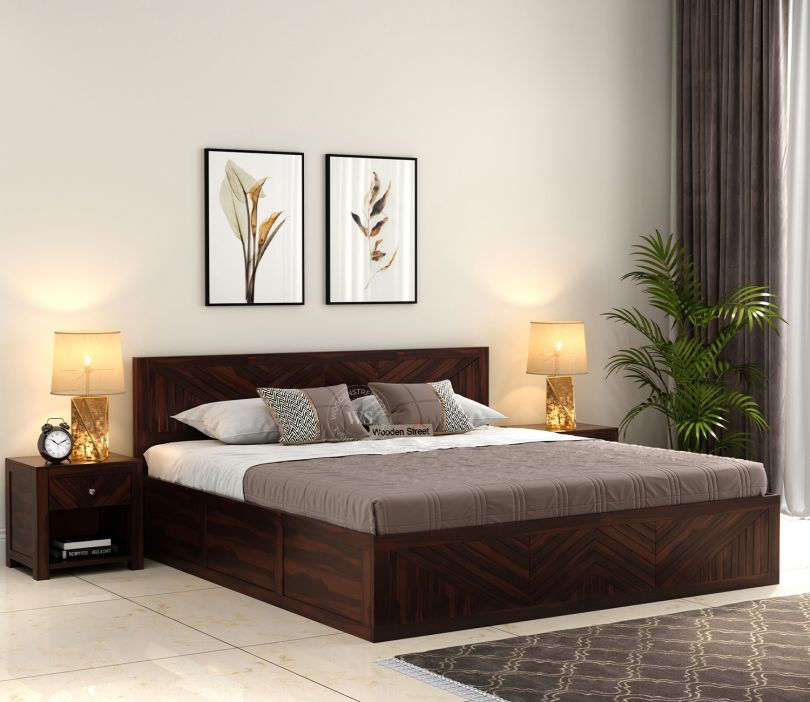
Furniture is an essential component of our living spaces, shaping how we interact with our environment and each other. From the cozy armchair in the corner to the grand dining table where memories are made, furniture is integral to our daily lives. This article explores the fascinating world of furniture, examining its history, various styles, material choices, and practical tips for selecting the perfect pieces for your home.
A Historical Perspective on Furniture
The history of furniture is a reflection of cultural shifts and technological advancements. Early furniture, dating back to ancient civilizations, was primarily functional. Egyptians crafted simple wooden stools and tables, while the Greeks introduced more sophisticated designs, including the iconic klismos chair known for its elegant curves.
The Middle Ages saw the emergence of heavy, ornate wooden furniture, often adorned with carvings that showcased the craftsmanship of the time. As trade routes expanded during the Renaissance, influences from Italy and France permeated Europe, leading to elaborate designs that emphasized artistry and luxury.
The Industrial Revolution marked a pivotal shift. Mass production techniques allowed for the widespread availability of furniture, making it more accessible to the average consumer. This shift gave rise to a variety of styles, catering to diverse tastes and preferences, ultimately shaping the furniture landscape we see today.
Exploring Furniture Styles
Understanding furniture styles is key to creating a cohesive look in your home. Here are some of the most popular styles to consider:
- Mid-Century Modern: This style, popular from the 1940s to the 1960s, is characterized by clean lines, organic forms, and functional design. Pieces are often made from natural materials, such as teak, and feature simple, geometric shapes that enhance any space.
- Scandinavian Design: Known for its minimalism, Scandinavian furniture emphasizes functionality and simplicity. Light woods, soft hues, and a focus on craftsmanship create a warm and inviting atmosphere, perfect for contemporary living.
- Industrial Style: Drawing inspiration from factories and warehouses, industrial furniture often incorporates raw materials like metal and reclaimed wood. The aesthetic celebrates imperfections, creating a rugged yet stylish look that fits well in urban settings.
- Traditional: Rooted in classic European designs, traditional furniture is rich in detail and ornamentation. Dark woods, intricate carvings, and luxurious fabrics characterize this style, making it ideal for formal settings.
- Contemporary: Reflecting current trends, contemporary furniture combines elements from various styles. It emphasizes innovation, allowing for flexibility in design, which can adapt to individual tastes and needs.
Material Matters
The materials used in furniture design significantly influence both aesthetics and functionality. Here’s a closer look at some popular options:
- Wood: Timeless and versatile, wood remains a favorite choice for furniture. Different types, such as oak, walnut, and cherry, offer a range of colors and grains. Wood’s natural beauty and durability make it suitable for both rustic and modern designs.
- Metal: Often associated with industrial and contemporary styles, metal provides strength and a sleek finish. Steel and aluminum are popular choices, while wrought iron can lend a touch of vintage charm.
- Upholstery: The choice of fabric can dramatically alter the look and feel of a piece. Options range from breathable cotton and linen to sumptuous leather and plush velvet. Consider durability and maintenance when selecting upholstery, especially for high-traffic areas.
- Glass: Glass furniture pieces can create an illusion of space, enhancing the overall ambiance of a room. Used for tabletops or decorative accents, glass can complement various styles, adding an airy feel to the design.
Practical Tips for Selecting Furniture
Choosing the right furniture for your home requires careful consideration. Here are some helpful tips:
- Assess Your Space: Take the time to measure your rooms and consider their layout. Oversized furniture can overwhelm a small space, while too-small pieces can make a large room feel sparse. Aim for a balance that allows for comfortable movement.
- Define Your Needs: Consider how you will use each space. If you entertain frequently, prioritize comfortable seating and a versatile dining table. For a home office, invest in a functional desk and ergonomic chair.
- Create a Cohesive Color Palette: A well-defined color scheme unifies your space. Choose colors that complement each other and enhance the overall mood. Incorporate accent pieces that align with your chosen palette for added visual interest.
- Mix Textures: Combining different materials adds depth to your design. Layer textiles, woods, metals, and glass to create a rich, inviting atmosphere that encourages interaction and comfort.
- Personalize Your Environment: Infuse your personality into your space with unique decorative items. Incorporate artwork, family heirlooms, or travel souvenirs to create a home that reflects your story and interests.
Furniture as a Reflection of Personal Style
The furniture you choose speaks volumes about your taste and lifestyle. It serves not only as a functional component of your home but also as an expression of who you are. By understanding the history, styles, and materials of furniture, you can make informed choices that enhance your living space and enrich your daily life.
Selecting the right pieces can transform your home into a comfortable, stylish sanctuary, where every corner tells a story. Embrace the journey of furnishing your space, and enjoy the process of creating a home that resonates with your unique identity.

 Homez Design Blog