
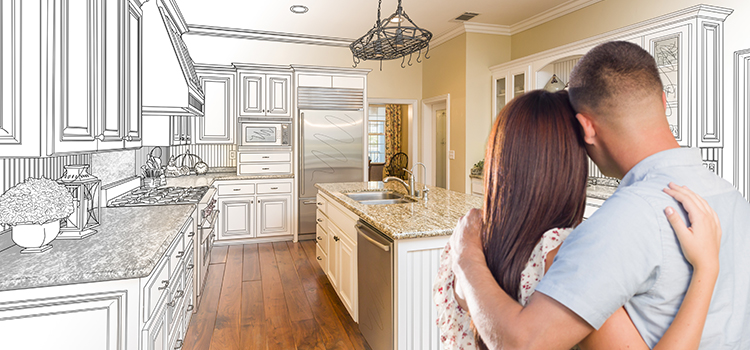
Remodeling is not merely a home improvement endeavor; it’s an art form that breathes new life into spaces, enhancing their functionality, aesthetics, and overall value. Whether you’re looking to refresh your kitchen, expand your living area, or create a serene retreat in your bathroom, understanding the nuances of remodeling is essential for a successful transformation. This comprehensive guide explores the key aspects of remodeling, offering insights that will help you navigate this rewarding process.
Understanding Your Goals
Before diving into a remodeling project, it’s crucial to define your objectives. Ask yourself what you hope to achieve: Are you increasing space for a growing family? Improving energy efficiency? Or simply updating outdated designs? Establishing clear goals not only streamlines the planning process but also helps prioritize tasks, ensuring your efforts align with your vision.
Planning and Budgeting
A well-thought-out plan is the backbone of any remodeling project. Begin by creating a detailed budget that outlines expected costs, including materials, labor, permits, and contingencies for unexpected expenses. It’s wise to set aside 10-20% of your budget for surprises, as remodeling often uncovers hidden issues that require attention.
Consider engaging with professionals early on. Architects, designers, and contractors can provide valuable insights into design possibilities and cost estimates, helping you refine your vision. Additionally, researching materials and products in advance allows for informed decisions that fit your aesthetic and budgetary needs.
Selecting the Right Professionals
Choosing the right team to bring your vision to life is vital. Look for professionals with a solid reputation and extensive experience in the specific type of remodeling you’re undertaking. Online reviews, recommendations from friends and family, and portfolios of past work can provide insight into a contractor’s capabilities.
Once you have a shortlist, conduct interviews to discuss your project in detail. Pay attention to their communication style, transparency about costs, and ability to offer creative solutions. Trust and rapport are essential, as remodeling can be a collaborative process requiring frequent communication.
Design Considerations
A well-designed space harmonizes function with aesthetics. Take the time to consider the layout and flow of your rooms. Open-concept designs are increasingly popular for creating a sense of space and connectivity, while defined areas can provide a sense of intimacy. Think about how you use each room and how the design can enhance your lifestyle.
Color schemes, materials, and fixtures are also crucial. Light colors can make a small room feel larger, while darker tones can add warmth and coziness. Incorporating natural elements like wood or stone can create a welcoming atmosphere. Don’t hesitate to experiment with textures and patterns to add depth and interest to your design.
Sustainability and Energy Efficiency
In today’s world, sustainable remodeling practices are not just a trend; they reflect a commitment to environmental responsibility. When selecting materials, consider options that are eco-friendly and sourced sustainably. Reclaimed wood, bamboo flooring, and low-VOC paints are excellent choices that reduce your home’s ecological footprint.
Energy efficiency should also be a priority. Upgrading to energy-efficient windows, appliances, and insulation can significantly reduce utility bills and increase comfort. Solar panels, smart home systems, and high-efficiency HVAC systems are additional ways to modernize your home while conserving resources.
Navigating Permits and Regulations
Remodeling often requires permits to ensure compliance with local building codes and regulations. It’s essential to familiarize yourself with the requirements in your area to avoid delays and fines. Your contractor can assist in this process, helping to navigate the necessary paperwork and inspections.
The Construction Phase
Once planning and permits are in place, the construction phase begins. This can be the most chaotic part of the remodeling process, but effective communication with your contractor can ease many concerns. Establish a timeline for the project, keeping in mind that delays can occur due to weather, supply chain issues, or unforeseen complications.
Make regular site visits to stay updated on progress and address any concerns that may arise promptly. Flexibility is key during construction; while you should stick to your vision, being open to adjustments can lead to even better outcomes.
Enjoying Your Transformed Space
After the dust settles and the final touches are made, it’s time to relish the results of your hard work. Take a moment to appreciate the transformation and how it enhances your daily life. Share your space with friends and family, and enjoy the newfound comfort and functionality.
Maintenance and Longevity
A successful remodel doesn’t end with completion; maintaining your space is crucial for longevity. Regular cleaning, proper care for materials, and timely repairs will keep your home looking fresh and inviting. Consider creating a maintenance schedule to stay on top of routine tasks.
Embarking on a remodeling project can be daunting, but with careful planning and execution, it can also be one of the most fulfilling endeavors you undertake. Each remodel is an opportunity to create a space that reflects your style, meets your needs, and brings joy to your everyday life.

 Homez Design Blog