
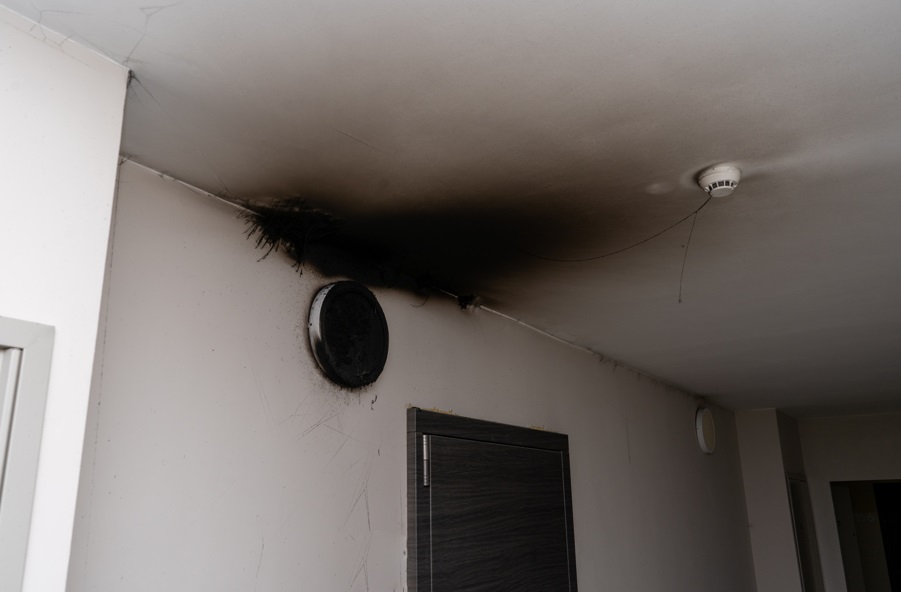
When disaster strikes and flames ravage a property, the aftermath can feel overwhelming. Understanding the fire damage restoration process helps property owners navigate this challenging time with greater confidence and clarity. Professional restoration services like Spartan Emergency Water Removal work systematically to return properties to their pre-loss condition through a comprehensive approach that addresses multiple layers of damage.
Initial Assessment and Safety Evaluation
The restoration journey begins with a thorough assessment of the property. Trained professionals evaluate structural integrity, identifying areas that may pose safety risks. This initial inspection determines the extent of fire damage, smoke penetration, and water damage from firefighting efforts. Every surface, from walls and ceilings to hidden spaces within the structure, receives careful examination to create a complete picture of the restoration needs.
Safety remains paramount during this phase. Professionals check for compromised structural elements, electrical hazards, and potential contaminants that could endanger occupants or restoration workers. Only after securing the property can the actual restoration work begin.
Emergency Services and Property Securing
Immediate action prevents further deterioration. Restoration teams secure the property by boarding up windows, tarping damaged roofs, and restricting access to unsafe areas. These emergency measures protect against weather exposure, vandalism, and additional losses while restoration planning takes place.
Water extraction often becomes an urgent priority. Firefighting efforts typically leave standing water and saturated materials throughout the property. Quick removal prevents secondary damage like mold growth, wood warping, and foundation issues. Industrial-grade equipment removes moisture from carpets, flooring, walls, and other affected areas.
Smoke and Soot Removal
Smoke damage extends far beyond visible soot stains. Acidic smoke residues continue damaging surfaces long after flames are extinguished, corroding metals, etching glass, and discoloring materials. Different types of fires create different residues requiring specialized cleaning techniques.
Professional restoration involves carefully cleaning every surface using appropriate methods for each material. Walls, ceilings, fixtures, and contents receive targeted treatment to remove harmful residues without causing additional damage. Air scrubbers and specialized equipment eliminate lingering smoke particles and odors from the environment.
Odor Elimination and Air Quality Restoration
Persistent smoke odors permeate porous materials like upholstery, carpeting, and wood. Surface cleaning alone rarely eliminates these embedded smells. Advanced deodorization techniques neutralize odors at their source rather than simply masking them.
Thermal fogging, ozone treatment, and hydroxyl generators represent some technologies used to combat stubborn smoke odors. Air filtration systems remove airborne particles while the property undergoes restoration. Achieving clean, breathable air quality marks an essential milestone in the recovery process.
Structural Cleaning and Repairs
Fire compromises structural elements in ways that aren’t always immediately visible. Restoration professionals assess beams, supports, roofing systems, and foundations to determine what can be salvaged and what requires replacement. Heat weakens materials even when flames never directly touch them.
Cleaning transitions into reconstruction as damaged components are removed and replaced. This phase may involve extensive work including drywall replacement, flooring installation, painting, and rebuilding damaged sections. Skilled contractors ensure all repairs meet building codes and restore the property’s structural integrity.
Content Restoration and Inventory
Personal belongings and business assets often sustain significant damage during fires. Professional restoration services include carefully inventorying, documenting, and treating salvageable contents. Items receive specialized cleaning based on their materials and the type of damage sustained.
Some contents require off-site restoration in controlled environments equipped with specialized cleaning and deodorization equipment. Electronics, documents, artwork, and sentimental items often receive priority treatment using advanced restoration techniques. Proper documentation throughout this process assists with insurance claims and record keeping.
Final Inspection and Quality Assurance
Restoration concludes with comprehensive inspection and testing. Air quality measurements confirm the environment is safe. Final walkthroughs ensure all work meets professional standards and property owner expectations. This verification process provides confidence that the property is truly restored and ready for occupancy.
Throughout the entire restoration process, clear communication between restoration professionals and property owners ensures transparency and manages expectations. Understanding each phase helps property owners recognize the complexity involved and appreciate the expertise required to properly restore fire-damaged properties. While the journey from devastation to restoration demands time and patience, professional services guide property owners through every step toward recovery.

 Homez Design Blog